

“200x faster.” “400x cheaper.”
You’ve probably seen it all over your feed lately.
3 posts in, and you still don’t know what the thing actually does.
So let me explain it the way I’d explain it over a coffee.
🪨 Why it’s called Jev
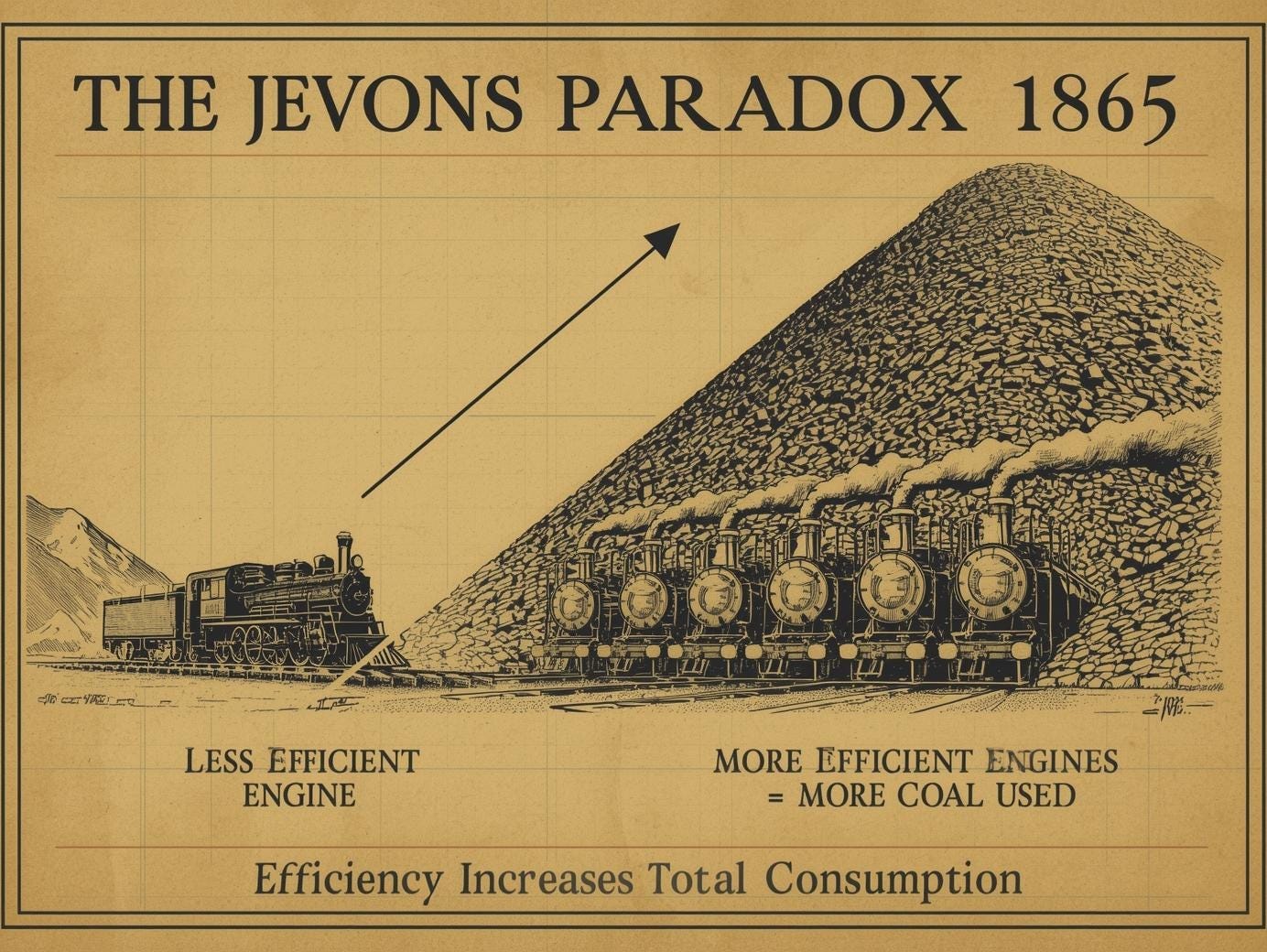
Jev is named after William Stanley Jevons.
In the 1860s, he noticed that when steam engines got more efficient, people burned more coal instead of less.
TypeSafe bets AI works the same way.
Make a decision almost free, and you’ll make thousands more.
In GTM, that means scoring every company in your market instead of a shortlist.
They call it a “System One” model, after Kahneman’s Thinking, Fast and Slow: the quick gut call, not the slow careful thinking.
If someone who knows your market could decide it in seconds, it’s Jev’s job.
🤖 So, what does Jev do?
Jev is a new AI model from a company called TypeSafe AI.
It came out on 15 September. The founder, Diogo Almeida, helped build the research behind ChatGPT, which is partly why everyone’s paying attention.
Here’s the big difference:
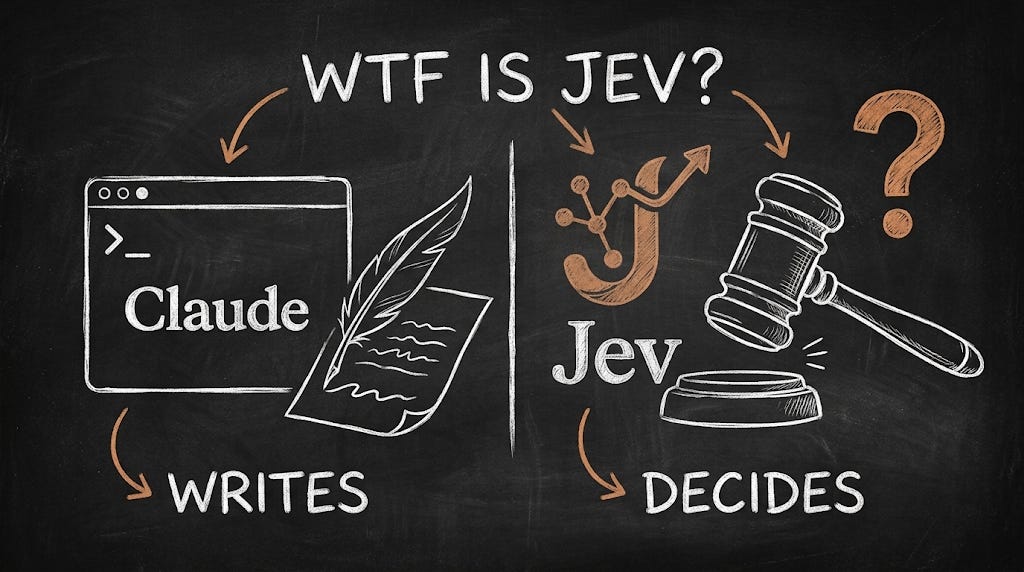
Claude writes. Jev decides.
You hand Jev some info and a question with fixed answers.
It picks one, and tells you how sure it is. For example:
“Does this company fit my ideal customer? Yes. 94% sure.”
That’s it. No emails or summaries, not even a sentence.
What you get in return:
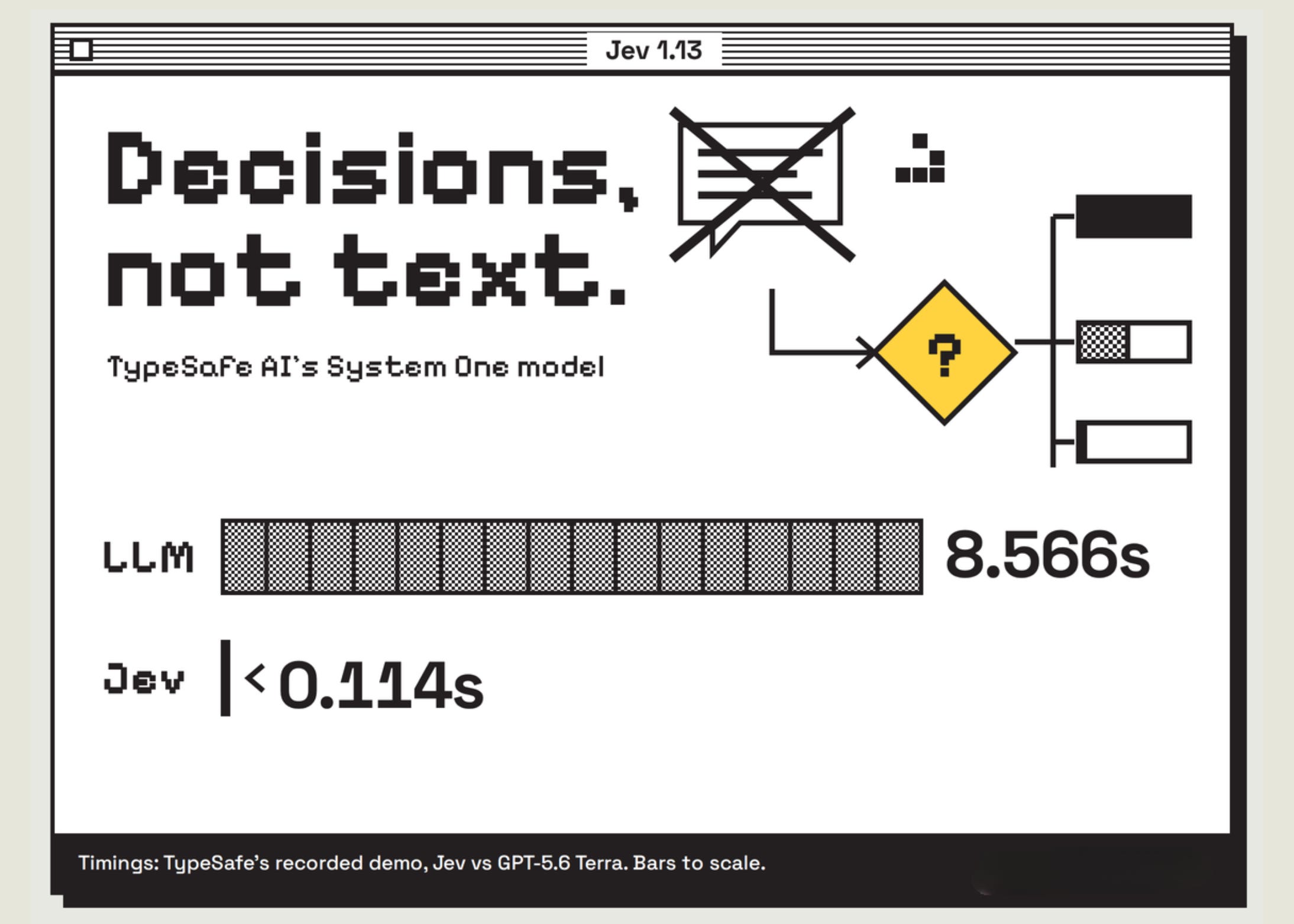
It’s fast: answers come back in well under a second
It’s cheap: $42 per billion tokens going in, and the answers cost nothing
It tells you how sure it is, every single time
Writers and judges
Look at everything you ask AI to do in your GTM, and it splits into two jobs:
Writers: the output is words. Emails, call recaps, proposals. Claude is great here, and nothing changes
Judges: the output is a decision. Is this lead a fit? Is this reply interested? Which segment does this company belong to?
We’ve been giving both jobs to the same model.
So, when you ask Claude to score a lead, you pay for a whole paragraph of reasoning just to get one number out of it.
Jev only does the judging.

The three questions Jev can answer
Pick one: choose from a lead list you set, up to 255 options. “Which segment is this?”
Score it: place it on a scale you describe, 2 to 10 levels. “How well does this match my ideal customer?”
Yes or no: with a probability. “Is this an agency?”
And it can only answer with the options you gave it. It can’t invent a segment you never asked for.
So does it replace Claude?
No. Claude can do everything Jev does.
Jev just does the sorting differently:
Faster: under a second, where Claude takes a few
Cheaper: you pay for what goes in, never for an explanation coming out
Consistent: same question, same answer, every run
Honest about doubt: a confidence score on every answer
But Jev can’t research, write or reason. So you’d use both: Claude to think and write, Jev to sort.
At 500 to 5,000 contacts a month, Claude handles your list fine.
Jev pays off when volume grows, answers need to be instant, or the same lead must get the same score next week.
💸 OK, but is it worth it?
1. Cost
Scoring 5,000 contacts costs about 21 cents.
Claude Code won’t add to your bill either, it just uses some of your plan’s limits.
Either way, your review time costs more than any model.
2. Results
Early tests are mixed:
Fedor Kovalev (Founder of Cheetah) tested 83 contacts. Jev matched the reference answers (set by other AI models) 77% of the time, for half a cent. But it missed 40 to 56% of the good contacts
Thomas George (Founder-CEO of Housecat) sorted 100 emails. Jev slightly beat OpenAI’s Codex Mini
Vercel got results five to 18 times faster, and more accurate
Good at sorting, but it can drop good leads.
3. Setup
Under an hour. Jev is on OpenRouter, so one API key gets you in today, no waitlist.
My take: worth testing now. Let it sort, and keep the final call yourself.
The confidence score is the prize: it shows which calls to trust, so you only check the shaky ones.
Below, I’ll show you how to run it on your own list.
What’s inside:
The Jev skill for Claude Code, ready to download
How to write your ideal customer so Jev scores it properly, including the one mistake that trips it up
The confidence rules that tell you what to trust, what to check, and what to ignore